By Professor Margaret (Mags) C. Watson FRPharmS, University of Aberdeen
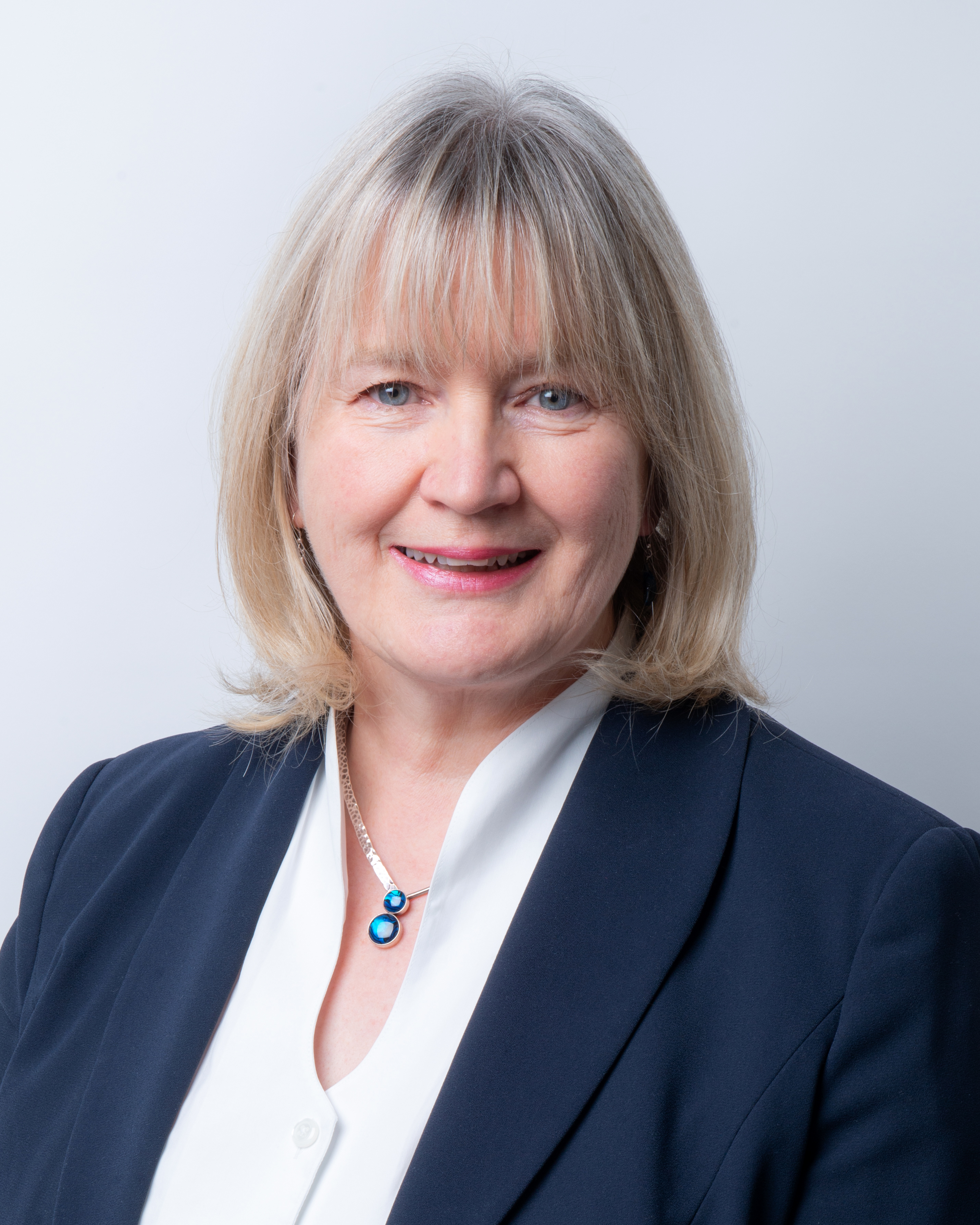 Having worked in academia for 30 years, you might think I’d know what matters most about being effective and ensuring that my research achieves the societal benefit for which I strive. Yet it wasn’t until I wrote a book on women and academia that I became more fully aware of the behaviours and mindsets that make a difference, as well as the substantial gender asymmetries that exist in this sector.
The importance of social capital
“It’s not what you know, it’s who you know” is often quoted and in academia, it’s certainly true. Whilst investment in human capital i.e. knowledge, skills, and qualifications, is the foundation upon which academic careers are built, it is social capital that will propel us forward and upwards.
Social capital is the individuals and organisations that we know and with whom and which we interact. Our networks represent our efforts in relationship building and can enhance our access to intellectual density i.e. to individuals with “great minds relevant to your subject(s)/method(s) of interest”. And size matters. Women typically have smaller, flatter networks, often using them for support or solidarity, whereas men’s networks (you’ve guessed it) are bigger but importantly are often vertical and strategic, providing access to ‘power’ through more senior or better-connected individuals. This places men at an advantage - they can tap into and ‘borrow’ social capital from their networks with greater effect and efficiency than women.
Network development takes time, effort and authenticity but derives substantial benefits. It relies upon an individual’s proactivity, and willingness to identify, contact and connect with people with whom they can collaborate or from whom they can seek guidance and support. Many women have less time or freedom to engage in these activities due to family/carer responsibilities and cultural norms that limit networking opportunities e.g. out-of-hours, male colleagues. There is a need for organisations to support initiatives to address and circumnavigate these barriers to promote equity and equality across the academic workforce.
Create and seize opportunities
Substantial change is needed within the academic sector and society to address the gender asymmetries that exist. In the meantime, we can, through our individual efforts, achieve societal benefit from our academic endeavours with the development of authentic and purposeful relationships with the stakeholders of our research and teaching, proactively seeking, creating and seizing opportunities that increase our ability to access intellectual density. In the words of one of the international scholars who I interviewed, each one of us has the potential to be the “butterfly that begins the storm that changes the world”.
Read more RPS blogs.