By Ghulam Haydar, Senior Policy Lead in the Community Pharmacy team at NHS England, Clinical Advisor and Inspector at the General Pharmaceutical Council and PhD candidate at the University of the West of England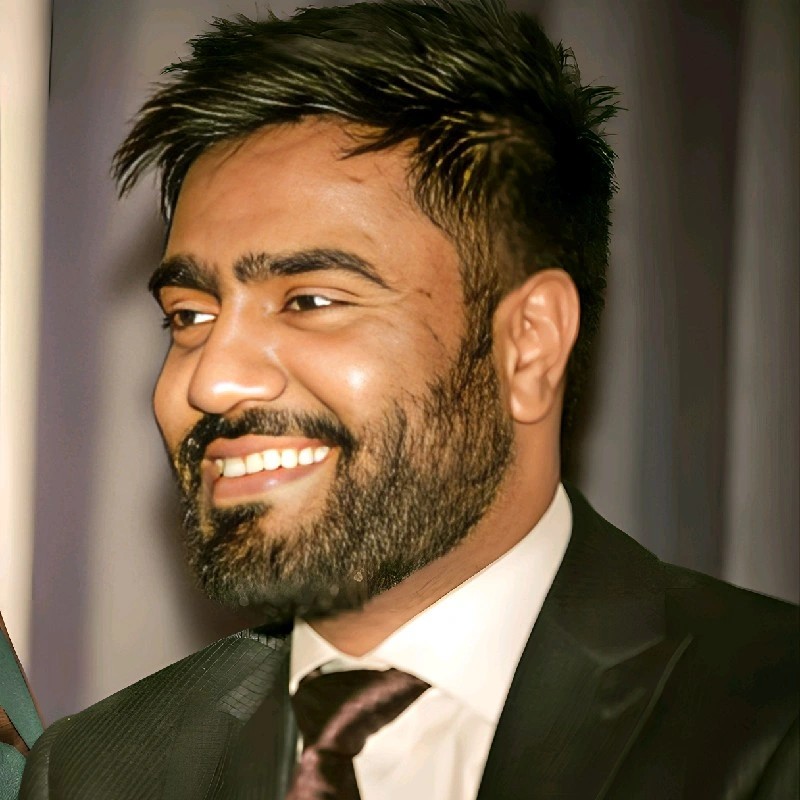
Educating people about Islamophobia and challenging it at its root and all the ways it manifests is very important to me. Outside of my professional roles in the world of pharmacy, I’ve spent over a decade as an anti-Islamophobia campaigner. I was a part of the organisations that founded Islamophobia Awareness Month and have spent countless hours in meetings with local and national organisations, fostering relationships and collaborations as well as speaking at events and rallies up and down the country.
As a practising Muslim, it's heartening to see more and more organisations recognise Islamophobia Awareness Month and bring attention to what is a massive societal issue. As with these types of initiatives, the hope is to raise awareness but more importantly, to witness the manifestation of meaningful change. Muslims in Britain cannot do this alone. According to the 2021 UK census, 6.5% of the population of England and Wales identified as Muslims. In Scotland, it was 2.2% and 0.6% in Northern Ireland. We are relatively small in number in proportion to the population. Islamophobia is a form of racism, and we need active allies. We need our allies to be “anti-racist”.
Examples of allyship
I remember the aftermath of the terrible Manchester Arena terror attack in May 2017. It was quickly determined that the perpetrator was a local Muslim. As a Manchester resident and a member of an organisation involved in community work, I was cognisant of the fears many Muslims in the community had of reprisals against them. The community were in a heightened state with community leaders sending onward messages of precautionary measures Muslims should consider over the coming weeks. Other than a few isolated incidents, what transpired was the opposite. Many prominent non-Muslim organisations came out publicly expressing their solidarity with Muslims. The message was clear; Muslims in Manchester are the fabric of society and play a key role in the community. The exact same message was echoed by the then newly elected Mayor of Greater Manchester, Andy Burnham. I appeared beside him on a live televised interview where he spoke glowingly about the Muslim community, the role they were playing in helping in the aftermath of the attack and how the heinous act of the person responsible was not indicative or reflective of the Muslim community. This is a great example of the positive consequences of all allyship coming from the top.
The August riots were a stark reminder that there are still significant segments of British society who will use any opportunity to legitimise their hatred of Muslims or anyone they perceive to be Muslims. While the riots thankfully didn’t persist, many Muslims are traumatised by what they experienced or witnessed in the media and have had to alter their lifestyles in fear of attacks in public spaces. Many Muslims, especially Muslim women were already operating their daily lives with a degree of apprehension, and the riots were a reminder as to the reasons they do. This is something people who are not directly affected by Islamophobia must be actively cognisant of and consider when dealing with friends, family and colleagues. It was reassuring to witness several organisations involved in healthcare unabated in recognising Islamophobia and including it in their public statements. During the height of the August riots, my colleagues at NHS England could not have been more supportive. I had team members, heads of functions, deputy directors and directors actively reach out to me to see how I was doing, what support I needed and if I needed any time off. They didn’t wait for me to reach out to them. They reached out to me. If I’m honest with you, I wasn’t expecting this level of proactive support and I was grateful for it. This is a type of allyship we need. These are some of the types of strong allyship we need in recognising and challenging Islamophobia.
Read more RPS blogs.